60%
Lower global warming potential
Producing and installing prepainted metal roofing carries 60% less GWP than asphalt shingle or concrete roofing over a full life-cycle assessment.

Sustainability · Prepainted Metal
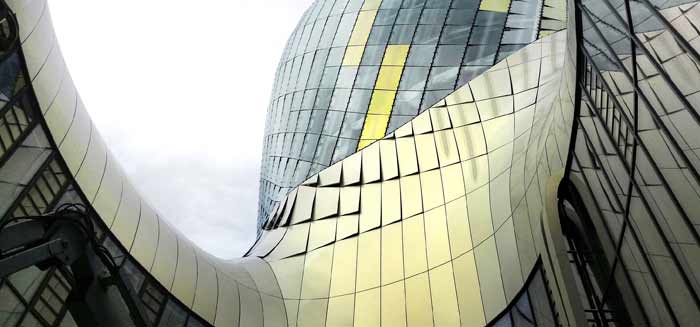
Prepainted metal is coated before it is formed into panels or building products. On a continuous coil coating line, the metal is cleaned, primed, cured, and painted in virtually any color a project requires. This highly controlled process is where its environmental advantages begin, delivering lasting sustainability benefits throughout the panel's 40- to 60-year service life.
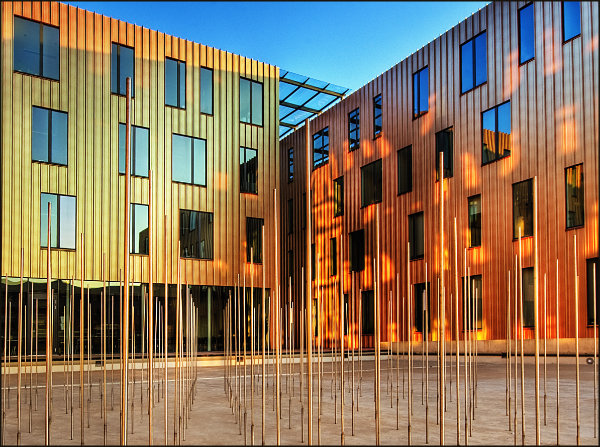




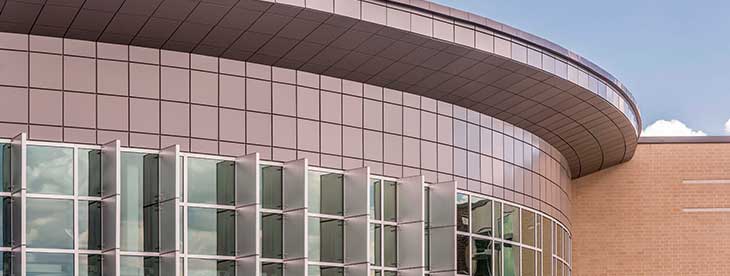
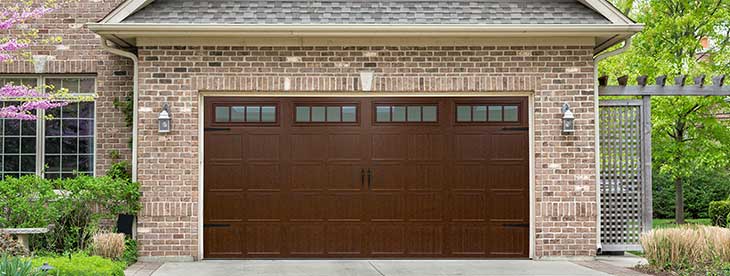
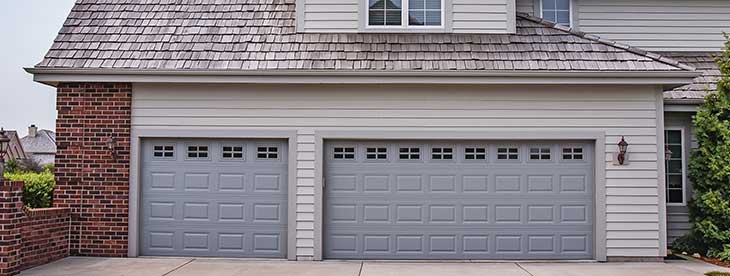
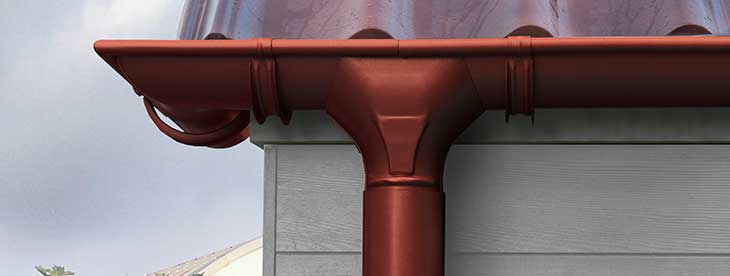
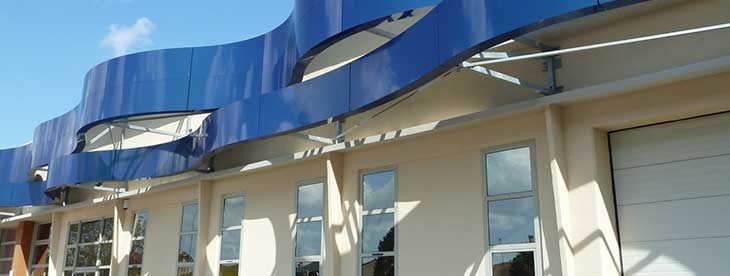
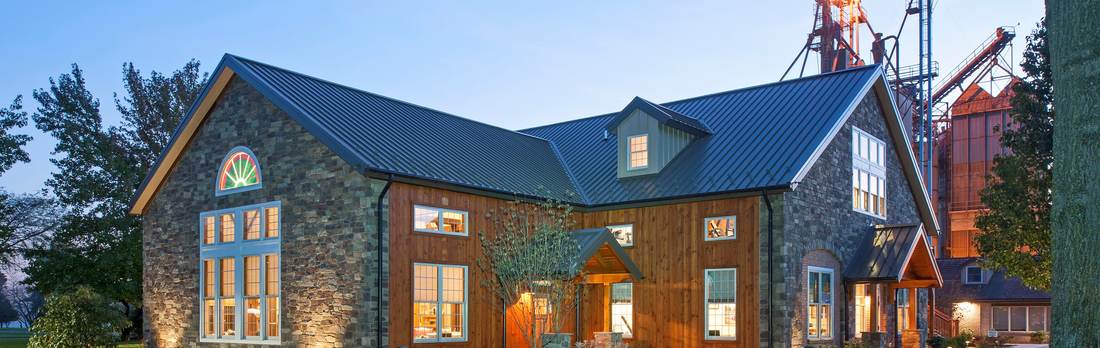
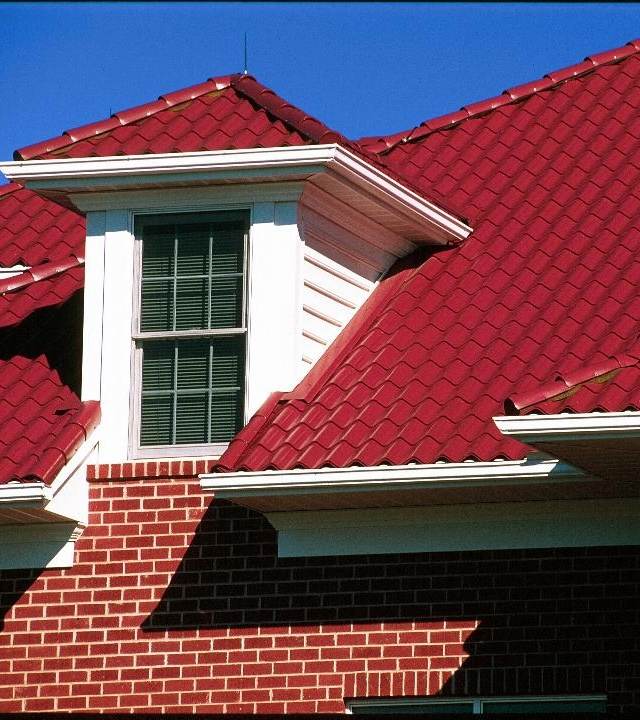
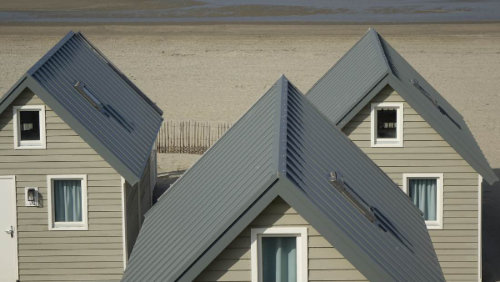
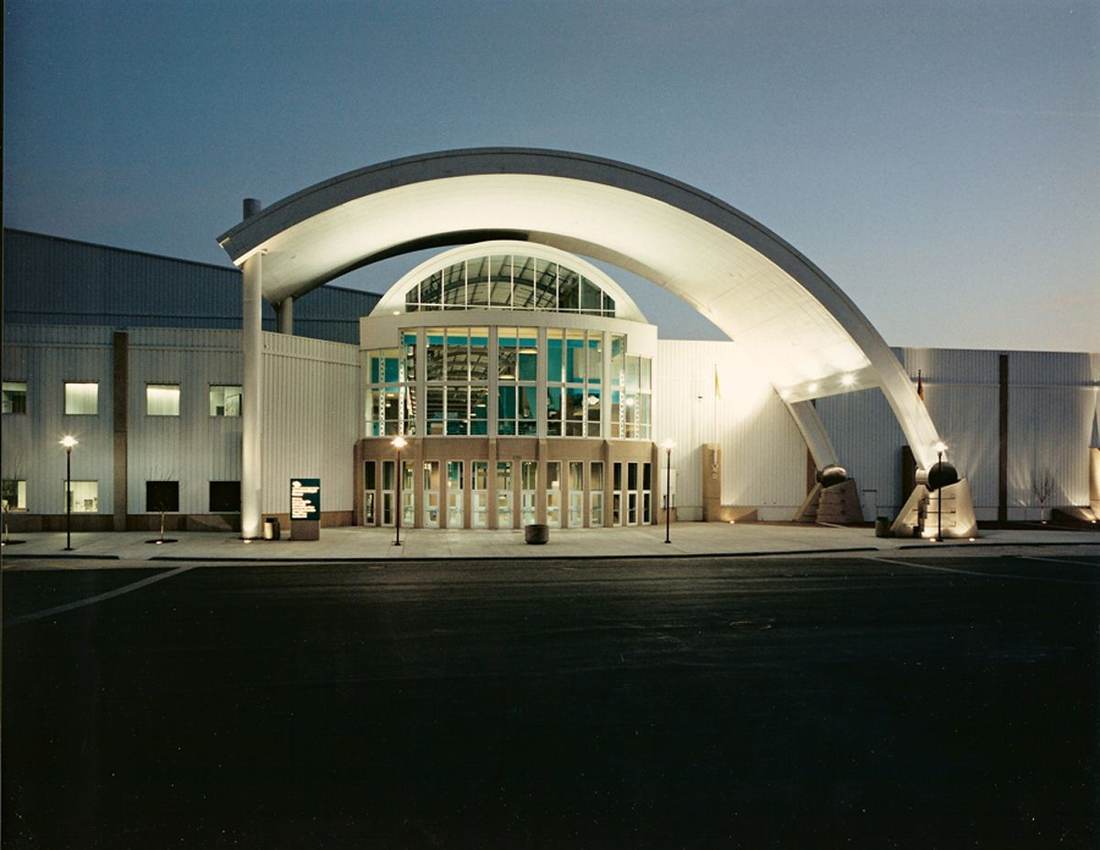
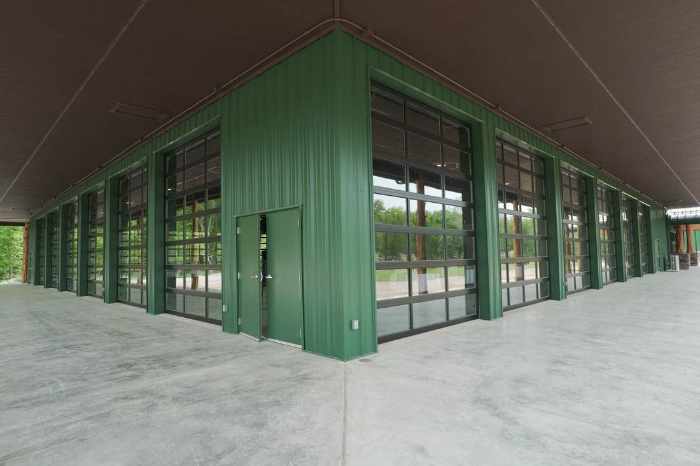
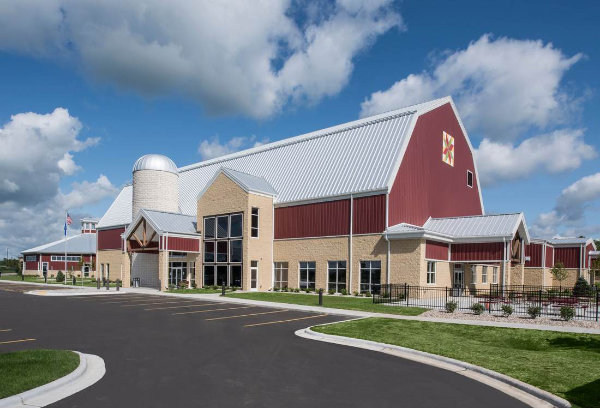
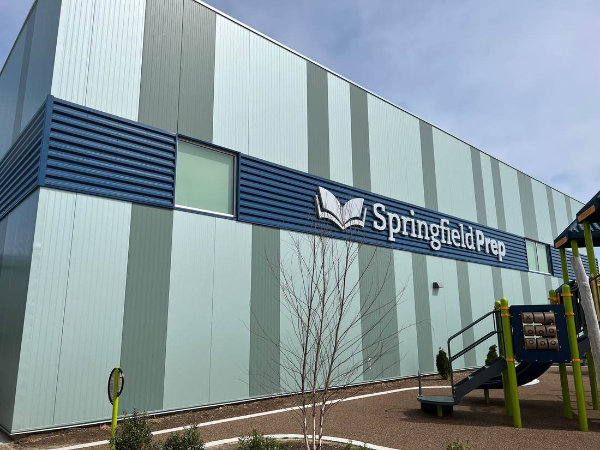
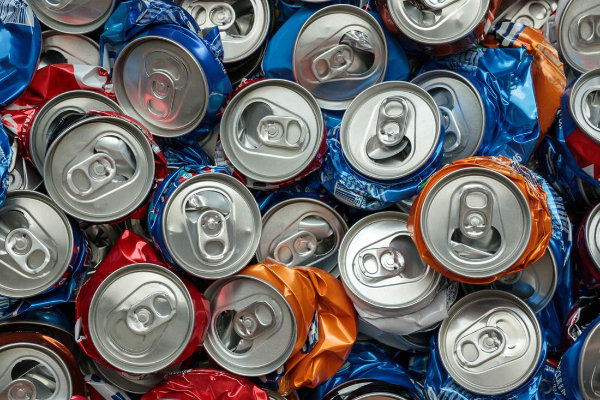
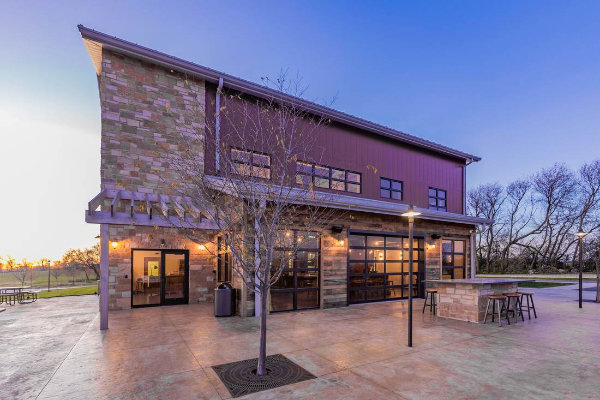
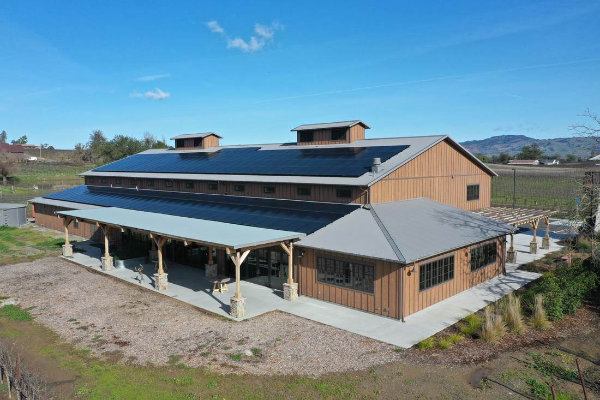
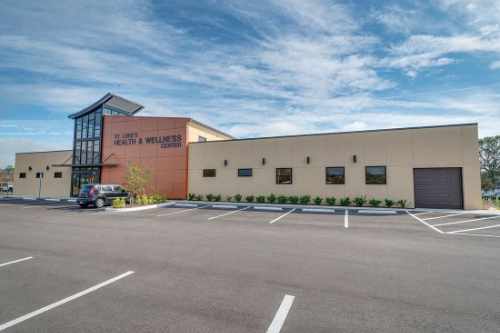
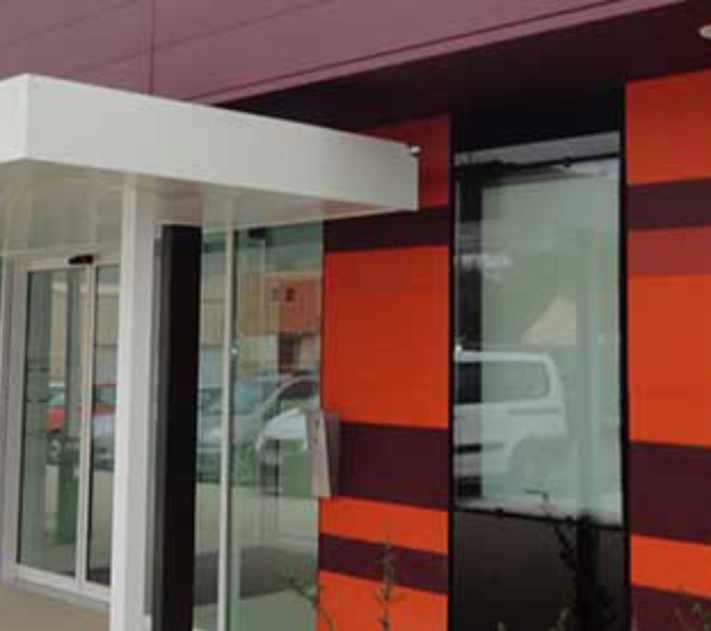
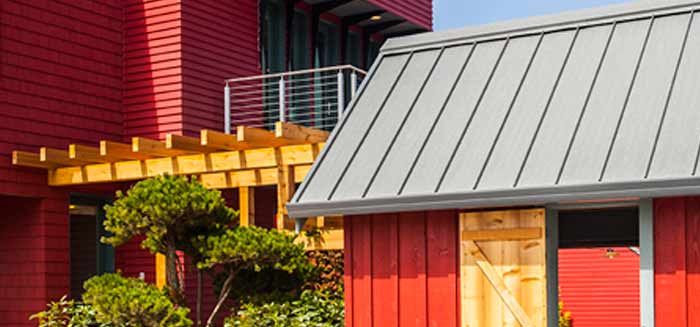
A look at prepainted metal at work — on roofs, walls, and building trim, in the full range of colors a single coil line can produce.
Roofing Deep Dive
Building materials are under more scrutiny than ever, and roofing is no exception. Set against asphalt shingle and other conventional roofing products, prepainted metal holds up on every measure that matters: embodied carbon, energy performance, service life, and end-of-life recyclability.
The pillars below summarize where that advantage comes from.
Reflective finishes cut cooling loads and surface temperatures.
Made with high recycled content and fully recyclable at the end of its service life.
Decades of service life with minimal maintenance.
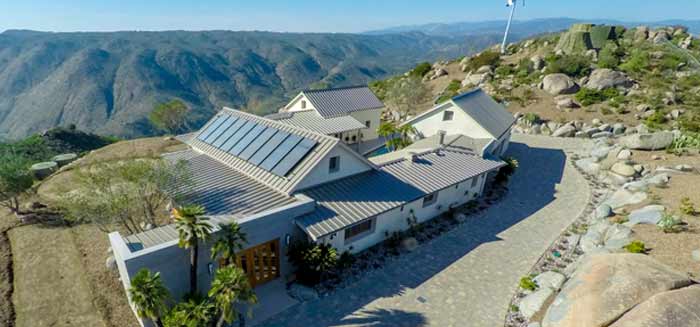
The preferred substrate for mounting solar arrays.
Class A rated — the highest rating NFPA offers.
Producing and installing prepainted metal roofing carries 60% less GWP than asphalt shingle or concrete roofing over a full life-cycle assessment.
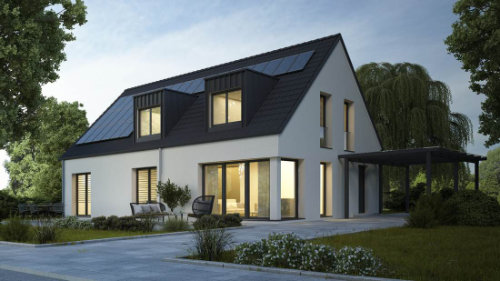
Asphalt shingles send 12–13 million tons to landfill every year — the equivalent of 36 Empire State Buildings. Metal roofs are recycled at 85% or more.
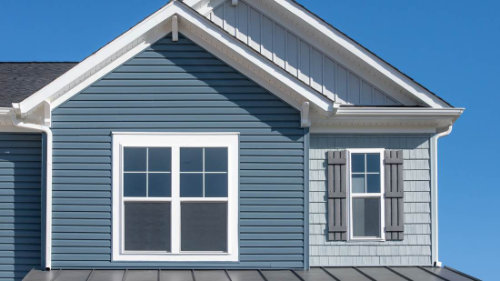
Cool metal roofing reflects solar radiation and can reduce surface temperatures by 40–80°F compared to shingle and concrete alternatives.
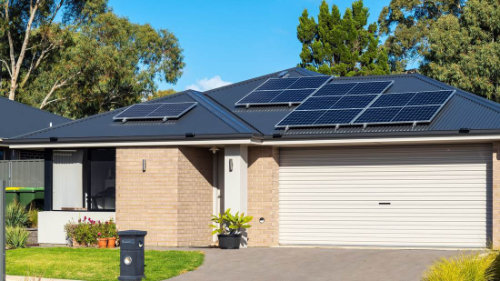
Standing seam metal is widely regarded as the best roofing material for solar — no drilled penetrations, lower install cost, longer joint life.
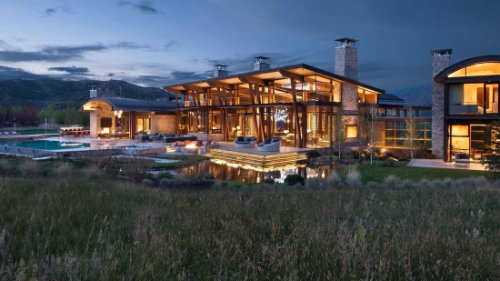
Metal roofing systems can last as much as three times longer than traditional shingle roofing, cutting the replacement cycle dramatically.
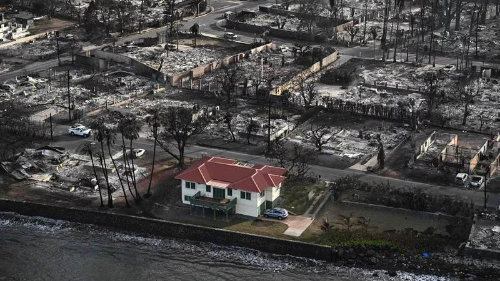
Flying embers cause 90% of homes lost to wildfire. Metal roofing carries a Class A rating, the highest fire classification established by NFPA.
Cladding Deep Dive
Metal cladding and wall systems carry the same sustainability logic as prepainted roofing, one level further: steel and aluminum contribute a fraction of construction waste, recycle at rates most materials can't match, and can be remanufactured indefinitely without any loss of quality.
The pillars below summarize where that advantage comes from.
Steel is a fraction of all construction & demolition debris.
Outpaced only by paper among all municipal solid waste streams.
Remanufactured for the same end use, with no loss of quality.
Rated non-combustible under the California Building Code.
A fraction of the embodied carbon of comparable claddings.
Steel building products account for just 0.8% of all construction and demolition debris, versus 2% for brick, 6.8% for wood, and 67.5% for concrete.
Metal products rank second in recycling rate among all municipal solid waste, behind only paper — nearly 3× higher than wood or plastic.
Recycling steel and aluminum products supports more than 300,000 jobs and contributes nearly $18 billion in annual wages.
Steel achieves a 69% recycling rate and aluminum 75%, against just 15% for post-consumer vinyl siding — and both recycle indefinitely without losing quality.
Metal siding is rated Non-Combustible under the California Building Code — wood, PVC, and plywood siding are combustible unless chemically treated.
Aluminum siding carries a GWP more than 6× lower than brick and mortar, 4× lower than fiber cement, and 3× lower than stucco.
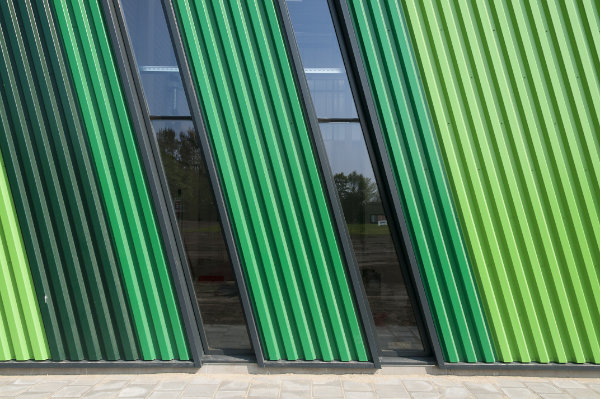
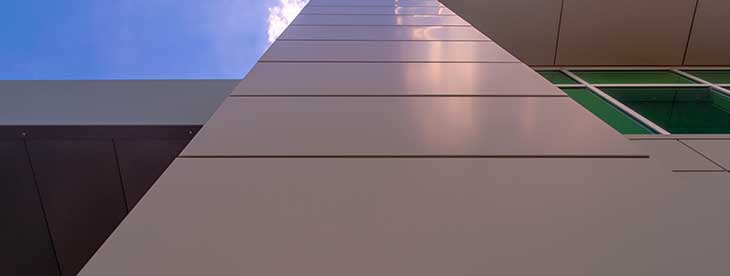
Building photography courtesy of the Metal Building Manufacturers Association (MBMA).
Roofing and wall assemblies draw on the same coil — the sustainability case looks a little different at the roofline than it does on the façade.
Roofing
Reflective topcoats reduce rooftop heat gain and cooling load, while the substrate can be specified with high recycled content and collected for recycling at tear-off.
View roofing overview →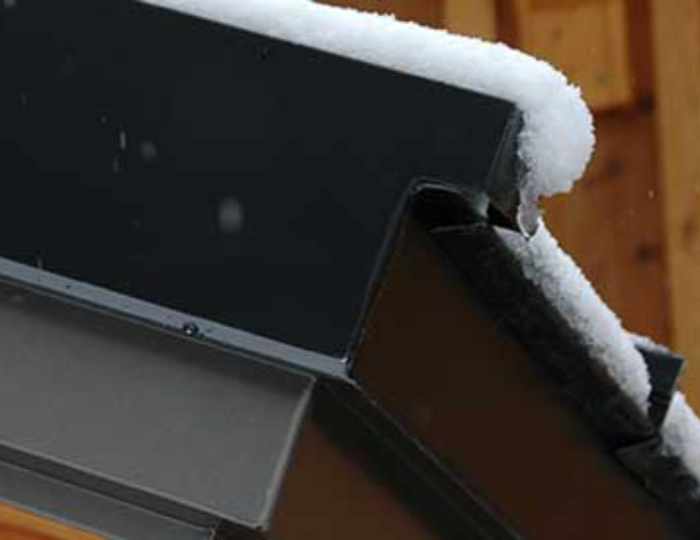
Cladding & Walls
Insulated metal panels combine the coated skin with continuous insulation in one component, cutting installed layers, air leakage, and long-run energy use.
View cladding overview →Coil coating transforms raw metal into a durable, brilliantly colored building material — pairing decades-long performance and environmental responsibility with the design freedom architects and manufacturers count on.
 Durability
 Innovation
 Sustainability
Sustainability starts on the line, before the metal is ever cut or formed. Here's what happens to a coil in a coating plant.

Building a more sustainable future — together


© 2026 National Coil Coating Association. All Rights Reserved.